
Water Recycling Plant
- Home
- »
- Turnkey Projects
- »
- Water Recycling Plant
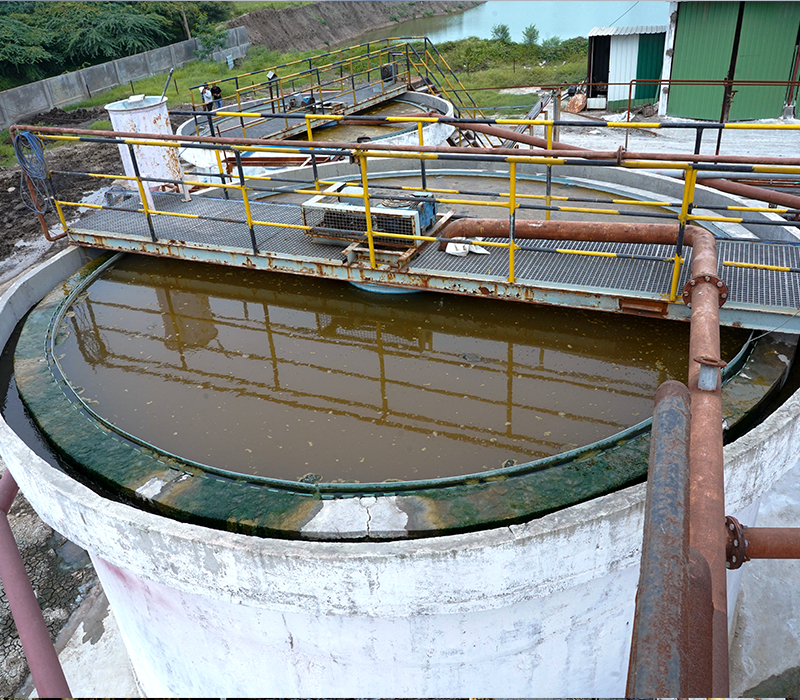
What is Water Recycling Plant
Distington Engineers provides innovative Water Recycling Plant solutions designed to treat and reuse wastewater for various industrial, commercial, and residential applications. Our systems help reduce freshwater consumption, lower operational costs, and promote environmental sustainability by turning wastewater into a valuable resource.
Using advanced treatment technologies such as Membrane Bio-Reactor (MBR), Reverse Osmosis (RO), and Ultra-Filtration (UF), our plants remove suspended solids, organic matter, and harmful contaminants to produce high-quality recycled water. This water can be reused for cooling towers, process applications, irrigation, landscaping, and other non-potable purposes, reducing dependency on scarce freshwater sources.
We design and customize each plant according to the wastewater characteristics, capacity requirements, and space availability of the client. From initial feasibility studies and engineering design to installation, commissioning, and maintenance, Distington Engineers delivers end-to-end water recycling solutions that are efficient, durable, and user-friendly.
Frequently Asked Questions About Water Recycling Plant
The water recycling process involves collecting wastewater and treating it through multiple stages to remove impurities, contaminants, and harmful microorganisms. The process typically includes screening, primary treatment, biological treatment, filtration, advanced treatment such as Reverse Osmosis (RO) or Ultrafiltration (UF), and disinfection. The treated water is then safely reused for industrial processes, cooling towers, irrigation, construction, and other non-potable applications, helping reduce freshwater consumption and support sustainable water management.
A Water Recycling Plant is a treatment system that cleans and recycles wastewater so it can be safely reused for industrial, commercial, or landscaping purposes. It helps conserve freshwater resources, reduce wastewater discharge, and promote sustainable water management by converting used water into reusable water.
Water recycling is important because it reduces the demand for freshwater, minimizes wastewater discharge, protects natural water resources, and lowers operating costs. It also helps industries and commercial facilities meet environmental regulations while supporting sustainable water use.
A Water Recycling Plant offers several benefits, including reduced freshwater consumption, lower water bills, improved environmental compliance, decreased wastewater discharge, reliable water availability, and long-term cost savings. It also supports sustainable industrial and commercial operations.
Recycled water can be used for industrial processes, cooling towers, boiler feed (after advanced treatment), gardening, landscape irrigation, construction activities, equipment cleaning, toilet flushing, and other non-potable applications. The exact use depends on the quality of the treated water.
Water Recycling Plants are widely used in the textile, pharmaceutical, chemical, food processing, automotive, paper, power generation, steel, mining, and manufacturing industries. These industries recycle wastewater to reduce freshwater consumption and improve environmental sustainability.
A Water Recycling Plant treats wastewater through a series of processes, including screening, sedimentation, biological treatment, filtration, membrane technologies such as UF and RO, and final disinfection. The treated water is then reused for various industrial and commercial applications.
Yes, recycled water can be safely reused when it has been properly treated to meet the required quality standards. Depending on the treatment process, it can be used for industrial operations, irrigation, cooling systems, construction, and other approved non-potable applications.
A Water Recycling Plant may use technologies such as Screening, Clarifiers, Biological Treatment, Sand Filters, Activated Carbon Filters, Ultrafiltration (UF), Reverse Osmosis (RO), UV Disinfection, and Ozonation. The combination of technologies depends on the wastewater characteristics and the required water quality.
A Water Treatment Plant (WTP) treats raw water from natural sources to make it suitable for drinking or industrial use, while a Water Recycling Plant treats wastewater so it can be reused for industrial, commercial, or other non-potable purposes. Water recycling focuses on conserving water by reusing treated wastewater instead of discharging it.
Let's Connect for Your Water Recycling Requirements
Need a Customized Water Recycling Plant for Your Industry?
Talk to our engineers for tailored water Recycling Plant solutions designed to meet your wastewater treatment requirements, regulatory standards, and production needs anywhere in India.