Effluent Treatment (ETP) Plant in India
- Home
- »
- Turnkey Projects
- »
- Effluent Treatment Plant
What Is an Effluent Treatment Plant (ETP System)?
An Effluent Treatment Plant (ETP) is a Wastewater Treatment system designed to treat industrial effluent before it is discharged, reused or sent for further treatment. An ETP system typically combines physical, chemical and biological treatment stages, selected according to the effluent’s characteristics.
Industrial wastewater can contain a combination of organic matter, suspended solids, oils and grease, chemicals, dissolved contaminants and, depending on the industry, heavy metals and other pollutants. The treatment process therefore needs to be selected according to the source and characteristics of the effluent.
A properly designed ETP helps industries reduce the pollutant load in wastewater, support compliance with applicable discharge requirements and recover water for suitable non-potable applications.
As an experienced ETP Plant manufacturer in India, Distington develops treatment solutions based on the industry’s wastewater characteristics, required treatment quality, plant capacity and intended end use of treated water.
Why Is an Industrial ETP Important?
Industrial wastewater varies significantly from one manufacturing process to another. A treatment system that works for food-processing wastewater, for example, may not be appropriate for chemical, pharmaceutical, textile or metal-processing effluent.
An industrial ETP helps address these variations through a combination of physical, chemical and biological treatment processes.
Depending on the application, an ETP can help industries:
- Reduce suspended solids, organic pollutants and other contaminants
- Treat industry-specific wastewater before discharge
- Improve the quality of treated water for approved reuse applications
- Reduce freshwater consumption through water recovery and reuse
- Support compliance with applicable environmental and discharge requirements
- Integrate with advanced treatment or Zero Liquid Discharge (ZLD) systems where required
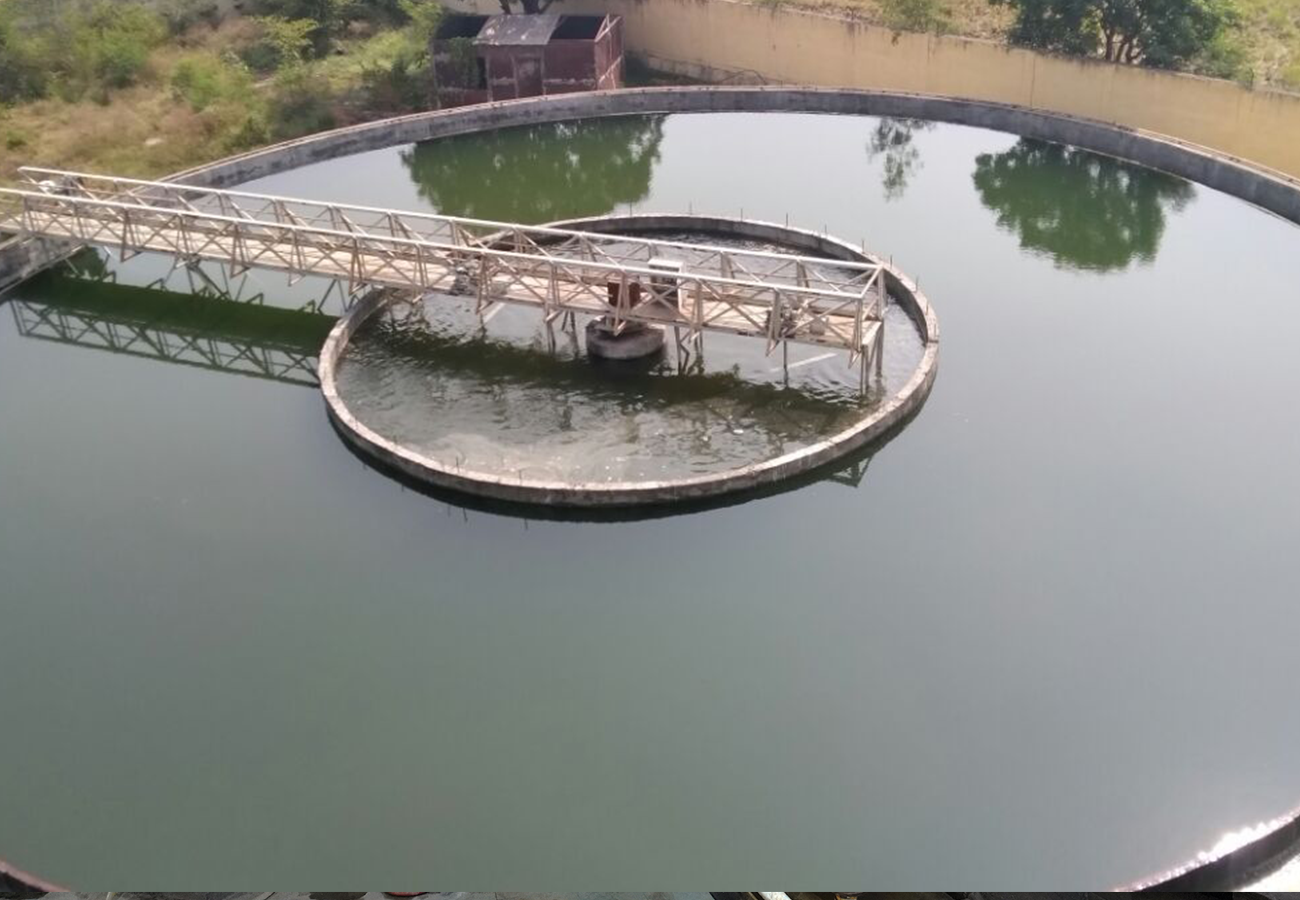
Why Choose Distington Engineers for Your ETP?
- Our plants are compliant with latest CPCB regulations and guideline
- Our ETPs can be modified to accommodate future expansion
- Designed to minimize operating costs
- Our prefab designs can fit into small areas particularly in urban locations where space is limited
- Strong post sales support from O&M to AMC, Breakdown Support, Spares and Repairs
How Does an Effluent Treatment Plant Work?
An ETP generally uses a combination of physical, chemical and biological treatment stages. The exact configuration depends on the Wastewater characteristics, flow rate, pollutant load and required treated-water quality.
Preliminary Treatment
Secondary Biological Treatment
Tertiary and Advanced Treatment
Physico-Chemical Treatment
ETP Technologies We Offer
Distington provides ETP solutions using different treatment technologies according to wastewater characteristics and project requirements.
Sequencing Batch Reactor (SBR)
SBR is a batch biological treatment process in which different treatment stages are carried out within a controlled reactor cycle. It can be suitable where process flexibility and controlled biological treatment are required.
Moving Bed Biofilm Reactor (MBBR)
MBBR uses attached microbial growth on carrier media to support biological treatment. It can provide a compact treatment configuration and can be considered where space and treatment capacity are important factors.
Membrane Bioreactor (MBR)
MBR combines biological treatment with membrane separation to produce a higher-quality treated-water stream. It can be considered for applications where treated-water quality and reuse are important.
Extended Aeration (EA)
Extended aeration provides prolonged biological treatment and can be used for wastewater streams where biological reduction of organic pollutants is required.
Main Components of an ETP System
An effluent treatment plant (ETP) system is built from several treatment stages and equipment units working together. The exact configuration depends on the effluent quality, flow rate and the required treated-water quality. The table below shows the main components of a typical industrial ETP system.
| Stage | Main Equipment | Purpose |
|---|---|---|
| Screening | Bar screen, rotary or mechanical screen, oil and grease trap | Removes coarse solids, floating matter and oil before they reach downstream equipment |
| Equalization | Equalization tank with Diffused Aeration System or mixer | Balances flow and pollutant load so that the next stages receive a consistent feed |
| Physico-Chemical Treatment | Chemical Dosing System for pH correction, coagulant and flocculant | Removes suspended, colloidal and some dissolved pollutants |
| Primary Clarification | Clarifier or DAF (dissolved air flotation) unit | Separates settled or floated solids from the treated water |
| Biological Treatment | SBR, MBBR, MBR or Extended Aeration reactor with surface aerators or diffused aeration | Reduces dissolved organic load (BOD and COD) using controlled microbial treatment |
| Secondary Clarification | Secondary Clarifier (not required in SBR and MBR) | Settles biological sludge and gives clear treated water |
| Tertiary / Polishing | Pressure sand filter, activated carbon filter, ultrafiltration or RO where required | Improves treated-water quality for discharge limits or reuse |
| Advanced Treatment (ZLD) | Multi effect evaporator and agitated thin film dryer | Recovers water from high-TDS reject and reduces liquid waste, as part of a Zero Liquid Discharge plant |
| Sludge Handling | Sludge thickener, filter press, sludge dryer | Dewaters and dries the sludge generated during treatment for easier disposal |
| Automation | Control panel, instrumentation, SCADA | Monitors plant parameters and helps operators control the treatment process |
Not every ETP uses all of these stages. Distington selects and sizes each unit after studying the incoming effluent, so that the plant meets the required treatment targets without unnecessary equipment.
ETP vs STP: What Is the Difference?
ETP and STP are often confused because both treat wastewater. The difference lies in the source of the wastewater and in how it is treated. An effluent treatment plant (ETP) handles industrial effluent, while a Sewage Treatment Plant (STP) handles domestic sewage.
| Parameter | ETP (Effluent Treatment Plant) | STP (Sewage Treatment Plant) |
|---|---|---|
| Wastewater Source | Industrial processes, factories and manufacturing units | Homes, apartments, offices, hotels, hospitals and commercial buildings |
| Main Pollutants | Chemicals, oils, dyes, solvents, suspended solids, dissolved salts and, in some industries, heavy metals | Organic matter, suspended solids, nutrients and pathogens |
| Wastewater Variability | Changes with the industry and the production process | Fairly consistent and predictable |
| Typical Treatment | Physico-chemical treatment combined with biological and tertiary stages, designed per industry | Mainly biological treatment (such as MBBR, SBR, MBR or extended aeration) followed by filtration and disinfection |
| Design Approach | Customized after effluent analysis | Standardized design based on population or daily flow |
| Treated Water Use | Discharge, in-plant reuse, or feed to RO, MEE and ZLD systems | Flushing, gardening, cooling and other non-potable uses, or safe discharge |
| Who Needs It | Pharma, chemical, textile, food and beverage, dairy, printing and publishing, metal and other industries | Residential societies, hotels, hospitals, malls, institutions and townships |
If your facility generates both industrial effluent and domestic sewage, the two streams are usually treated separately. Distington can design the ETP and STP together as a single turnkey project.
ETP Projects and Case Studies
Our ETPs are tailor-made for your specific industrial needs removing contaminants such as chemicals, heavy metals
and organic matter
Applications:
- Chemical & Pharma
- Food & Beverages
- Textile & Dyeing
- Automobile
- Dairy
- Steel & Metal
- Pulp & Paper
Flow Range: 1 KLD to 1500 KLD
Technology Options:
- SBR (Sequencing Batch Reactor)
- MBBR (Moving Bed Biofilm Reactor)
- EA (Extended Aeration)
- MBR (Membrane Bioreactor)
- Three phase reactor
Key Features:
- CPCB-approved technology
- Low O&M cost and easy upgradability
- Compact design with minimal footprint
- 24/7 service support
- High treatment efficiency for reuse or safe
discharge
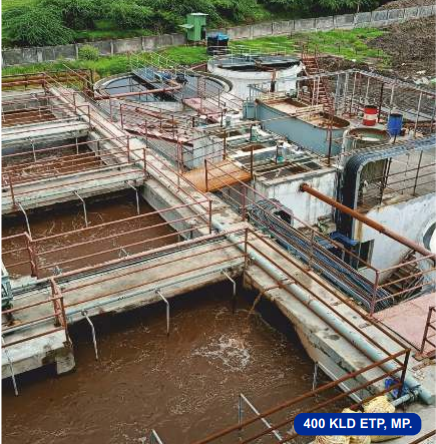
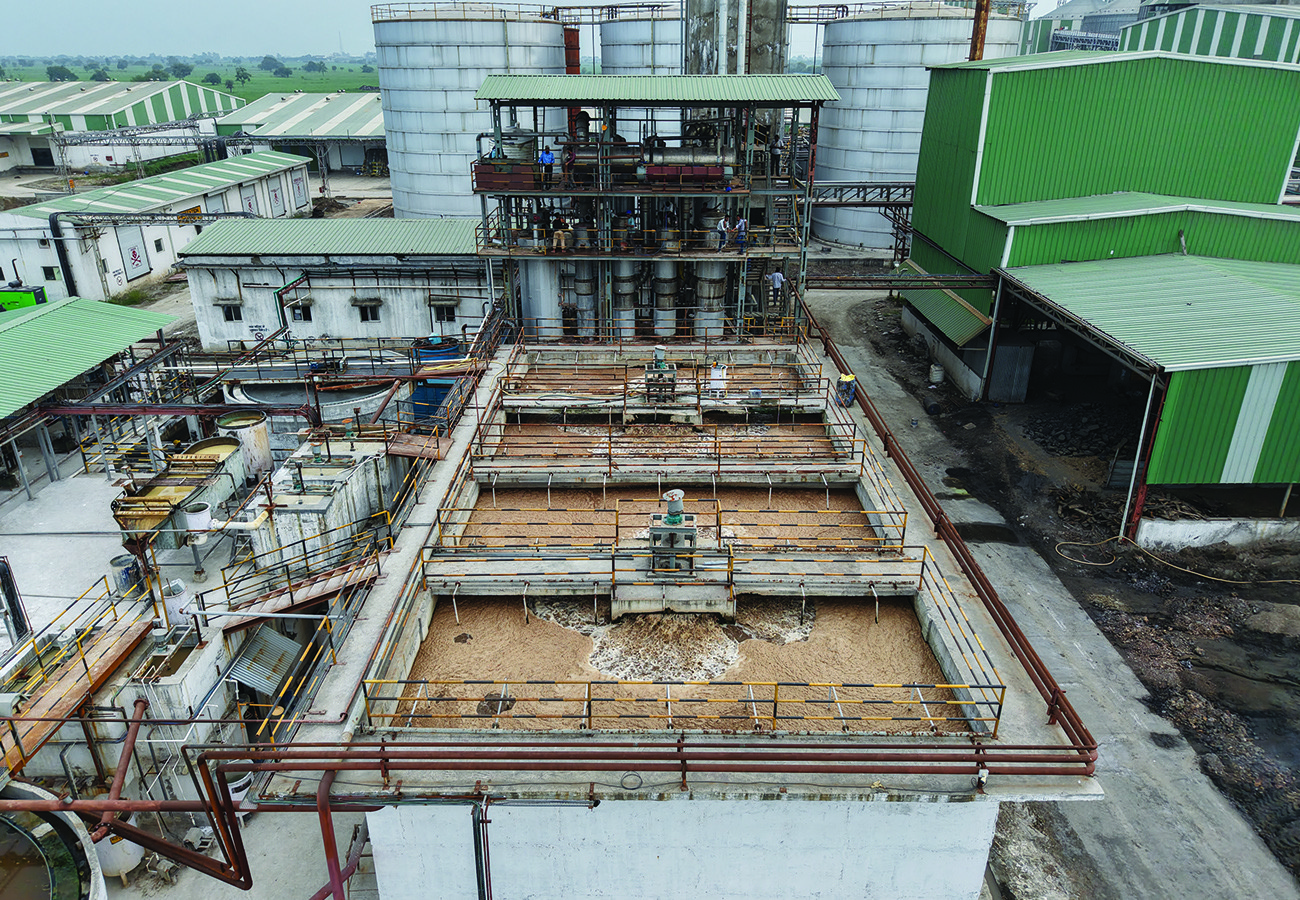
400 KLD ETP, MP.







Applications of industrial ETPs and piping network
Industrial ETPs are used wherever manufacturing or processing activities generate wastewater that requires treatment before discharge or reuse.
Common applications include:
- Treating wastewater generated during industrial manufacturing and processing
- Removing suspended solids, organic matter, oil, chemicals and other industry-specific pollutants
- Preparing treated water for suitable reuse within the plant
- Supplying treated water for applications such as cooling, washing and other non-potable uses
- Providing treated effluent as feed for RO and other membrane-based systems
- Supporting ZLD systems where higher water recovery is required
- Reducing dependence on fresh water by recovering and reusing treated wastewater
The treatment and reuse route should be selected according to the quality of the incoming effluent and the requirements of the process where the treated water will be used.
ETP Plant Manufacturer and Supplier in India
An Effluent Treatment Plant (ETP) treats industrial wastewater before it is discharged, reused or sent for further treatment. An ETP system typically combines physical, chemical and biological stages, selected according to the industry and the effluent’s characteristics.
Distington Engineers & Consultants Pvt. Ltd. is an ETP plant manufacturer in India with 30+ years of experience. We design, fabricate, install and commission ETPs from 1 KLD to 1500 KLD for pharma, chemical, textile, food and beverage, dairy, printing and publishing, metal and other industries, with manual and SCADA-based automated options, plus O&M and AMC support.
Frequently Asked Questions About Effluent Treatment Plant
An Effluent Treatment Plant (ETP) is a system designed to treat industrial wastewater by removing harmful contaminants, chemicals, suspended solids, and pollutants before the water is safely discharged or reused. ETPs help industries comply with environmental regulations, protect natural water resources, and reduce the environmental impact of industrial operations.
An ETP plant works by treating industrial wastewater through multiple stages, including screening, equalization, chemical treatment, biological treatment, clarification, filtration, and sludge management. These processes remove suspended solids, organic matter, oils, chemicals, and other contaminants, ensuring the treated water meets environmental discharge standards or can be safely reused in industrial operations.
Industries that generate contaminated wastewater typically require an Effluent Treatment Plant (ETP). Common sectors include pharmaceuticals, chemicals, textiles, food and beverage processing, paper and pulp, electroplating, dyes, oil and gas, automotive, and metal processing. An ETP helps these industries treat wastewater, comply with environmental regulations, and minimize their impact on natural water resources.
The main difference is the type of wastewater they treat. An Effluent Treatment Plant (ETP) is designed to treat industrial wastewater containing chemicals, oils, and other contaminants. A Sewage Treatment Plant (STP) treats domestic wastewater from homes, offices, hotels, and commercial buildings. Both systems help produce treated water that meets environmental standards, but they are designed for different wastewater sources.
The cost of an Effluent Treatment Plant (ETP) in India depends on factors such as treatment capacity, wastewater characteristics, industry type, automation level, and project requirements. Small systems are generally more affordable, while large, customized plants require a higher investment. For an accurate estimate, it is best to request a site assessment and a customized quotation based on your specific needs.
ETP stands for Effluent Treatment Plant. It is a system that treats industrial wastewater before discharge or reuse.
Choose a supplier that offers process design, equipment supply, installation, commissioning and AMC from one source. Distington Engineers supplies ETPs from 1 KLD to 1500 KLD with SCADA options and post-sales support across India.
Yes, we design and manufacture customized Effluent Treatment Plants (ETPs) to meet the specific wastewater treatment requirements of different industries. Our solutions are tailored based on wastewater characteristics, treatment capacity, available space, regulatory standards, and water reuse objectives to ensure efficient and reliable performance.
Yes, we provide installation and commissioning services for Effluent Treatment Plants (ETPs) across India. Our experienced team manages system installation, testing, performance checks, and operator training to ensure the plant operates efficiently and meets the required treatment standards.
Yes, we offer Annual Maintenance Contracts (AMC) and comprehensive maintenance support for Effluent Treatment Plants (ETPs). Our services include routine inspections, preventive maintenance, troubleshooting, spare parts support, and performance optimization to ensure reliable operation, reduced downtime, and long-term efficiency.
Distington Engineers & Consultants Pvt. Ltd. is an ETP plant manufacturer based in Indore, India, with 30+ years of experience designing and installing effluent treatment plants for industries including pharmaceuticals, chemicals, textiles, food & beverage, dairy and metal processing, with capacities ranging from 1 KLD to 1500 KLD.
An ETP (Effluent Treatment Plant) system is an industrial wastewater treatment setup that combines physical, chemical and biological treatment stages to remove contaminants such as suspended solids, oils, chemicals and organic matter, producing water suitable for safe discharge or reuse.
Yes. We design ETPs for printing and publishing units based on effluent quality and flow, typically using physico-chemical treatment with biological and polishing stages where needed.
We supply ETPs from 1 KLD to 1500 KLD, with options such as SBR, MBBR, MBR and Extended Aeration.
Let's Connect for Your Effluent Treatment Plant
Need a Customized Effluent Treatment Plant for Your Industry?
Talk to our engineers for tailored ETP solutions designed to meet your wastewater treatment requirements, regulatory standards, and production needs anywhere in India.