Introduction
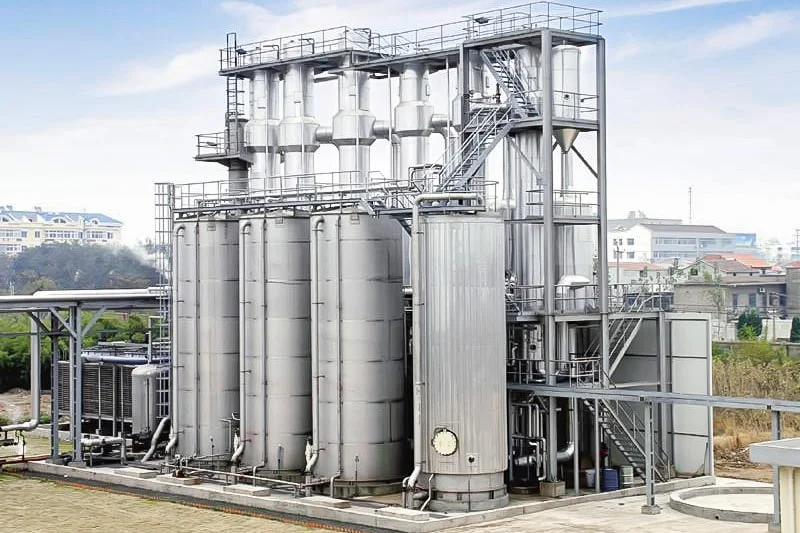
Industrial wastewater contains harmful chemicals, oils, suspended solids, heavy metals, and other contaminants that cannot be discharged directly into the environment. A Wastewater Treatment Plant (WWTP) helps industries treat wastewater efficiently, ensuring compliance with environmental regulations while protecting natural water resources.
Whether you operate a manufacturing unit, pharmaceutical plant, textile factory, food processing industry, or chemical processing facility, installing the right wastewater treatment system is essential for sustainable operations and long-term cost savings.
What is a Wastewater Treatment Plant?
A Wastewater Treatment Plant (WWTP) is an engineered system designed to remove physical, chemical, and biological contaminants from industrial wastewater before it is reused or safely discharged.
The treatment process improves water quality, reduces pollution, and helps industries meet government environmental standards.
Why is Wastewater Treatment Important?
Proper wastewater treatment offers several benefits, including:
- Prevents environmental pollution
- Meets pollution control board regulations
- Reduces freshwater consumption
- Enables water recycling and reuse
- Protects equipment from scaling and corrosion
- Improves operational efficiency
- Supports sustainable industrial practices
- Reduces long-term operating costs
How Does a Wastewater Treatment Plant Work?
A modern wastewater treatment plant follows multiple treatment stages.
1. Preliminary Treatment
Large solids, plastics, sand, and debris are removed using screens and grit chambers.
2. Primary Treatment
Suspended solids settle in sedimentation tanks while floating oil and grease are removed.
3. Secondary Treatment
Biological treatment uses microorganisms to break down dissolved organic matter through aeration and activated sludge processes.
4. Tertiary Treatment
Advanced filtration and chemical treatment remove fine particles, nutrients, color, pathogens, and remaining impurities.
5. Sludge Treatment
Collected sludge is thickened, dewatered, and safely disposed of or reused where applicable.
Key Components of a Wastewater Treatment Plant
A complete wastewater treatment system generally includes:
- Collection Tank
- Equalization Tank
- pH Correction System
- Aeration Tank
- Clarifier
- Chemical Dosing System
- Pressure Sand Filter
- Activated Carbon Filter
- Sludge Dewatering System
- Control Panel
- Pumps and Pipelines
Applications of Wastewater Treatment Plants
Wastewater treatment plants are widely used in:
- Pharmaceutical Industries
- Chemical Manufacturing
- Textile Industries
- Food & Beverage Processing
- Dairy Plants
- Paper & Pulp Industries
- Steel Industries
- Automobile Manufacturing
- Electroplating Industries
- Power Plants
- Municipal Facilities
Benefits of Installing a Wastewater Treatment Plant
Environmental Protection
Reduces harmful pollutants before discharge.
Water Reuse
Treated water can be reused for cooling, gardening, washing, and industrial processes.
Regulatory Compliance
Helps industries comply with CPCB, SPCB, and other environmental standards.
Lower Operating Costs
Water recycling significantly reduces freshwater consumption and disposal expenses.
Sustainable Manufacturing
Supports ESG initiatives and environmentally responsible operations.
Factors to Consider Before Choosing a Wastewater Treatment Plant
Selecting the right wastewater treatment solution depends on several factors:
- Daily wastewater generation
- Nature of contaminants
- Required discharge quality
- Available installation space
- Future capacity expansion
- Automation requirements
- Energy efficiency
- Maintenance costs
- Compliance requirements
Common Challenges in Industrial Wastewater Treatment
Industries often face issues such as:
- High COD and BOD levels
- Oil and grease contamination
- Heavy metal removal
- pH imbalance
- Suspended solids
- Odor generation
- Excess sludge production
An efficiently designed wastewater treatment plant addresses these challenges while maintaining consistent treatment performance.
Why Choose a Customized Wastewater Treatment Plant?
Every industry generates wastewater with different characteristics. A customized treatment system offers:
- Higher treatment efficiency
- Lower operating costs
- Better water recovery
- Easy operation
- Long equipment life
- Future scalability
- Reliable environmental compliance
Conclusion
A Wastewater Treatment Plant is an essential investment for industries looking to reduce environmental impact, comply with regulations, and improve operational efficiency. With the right treatment technology, businesses can recycle valuable water resources, reduce costs, and contribute to sustainable industrial development.
If your industry requires a reliable wastewater treatment solution, choose a system that is specifically designed according to your wastewater characteristics, treatment objectives, and future expansion plans.
Frequently Asked Questions (FAQs)
What is a Wastewater Treatment Plant?
A Wastewater Treatment Plant removes contaminants from industrial or municipal wastewater so it can be safely discharged or reused.
Which industries need a wastewater treatment plant?
Industries such as pharmaceuticals, chemicals, textiles, food processing, dairy, steel, power, paper, and manufacturing commonly require wastewater treatment plants.
Can treated wastewater be reused?
Yes. Properly treated wastewater can be reused for cooling, flushing, landscaping, process water, and other non-potable industrial applications.
What is the difference between an ETP and a Wastewater Treatment Plant?
An Effluent Treatment Plant (ETP) is specifically designed for industrial effluent, while the term Wastewater Treatment Plant is broader and may include both industrial and municipal wastewater treatment systems.
How do I choose the right wastewater treatment plant?
Consider wastewater flow rate, contaminant type, discharge standards, available space, automation requirements, maintenance, and future expansion before selecting a system.