Sewage Treatment Plant (STP)

  1. Home
  2. »
  3. Turnkey Projects
  4. »
  5. Sewage Treatment Plant

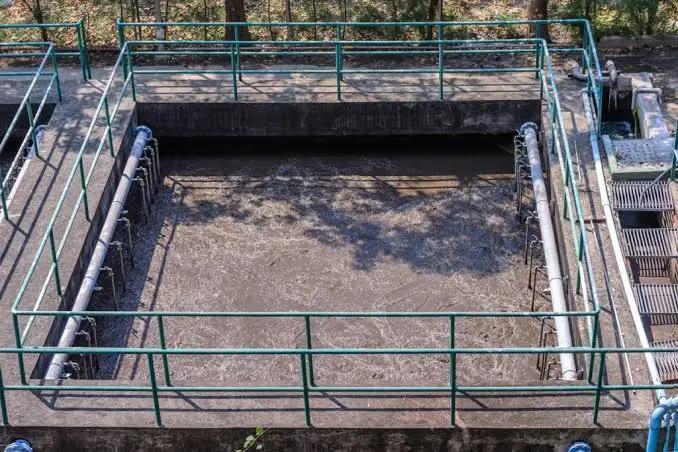
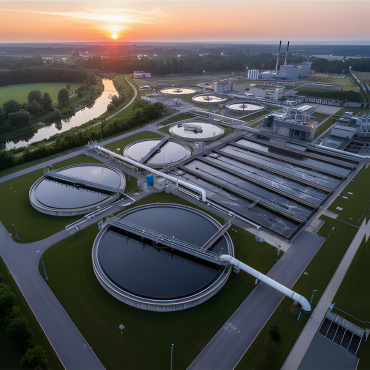
A sewage treatment plant (STP) is an engineered wastewater treatment system designed to treat domestic or municipal sewage before the treated water is discharged or reused. An STP typically removes suspended solids, organic matter, nutrients and pathogens through a combination of physical, biological and tertiary treatment processes.

Distington Engineers & Consultants Pvt. Ltd. provides sewage treatment plant solutions for residential, commercial, institutional and applicable industrial projects, with systems designed according to wastewater characteristics, treatment capacity, available space and the required treated-water quality.

What Is a Sewage Treatment Plant?

A Sewage Water Treatment Plant is a treatment system that is used to eliminate contaminants in wastewater and transform them into treated water that can be discharged or reused. It removes toxic solids, organic content, bacteria and chemicals and safeguards the water bodies and avoids polluting the environment. The current STP plants have been designed to comply with the regulatory requirements and help in conserving water by being utilized in gardening, flushing, and industrial utilization

Sewage Treatment Plant Manufacturer in Indore
Sewage Treatment Plant by Distington Engineers & Consultant Pvt. Ltd.

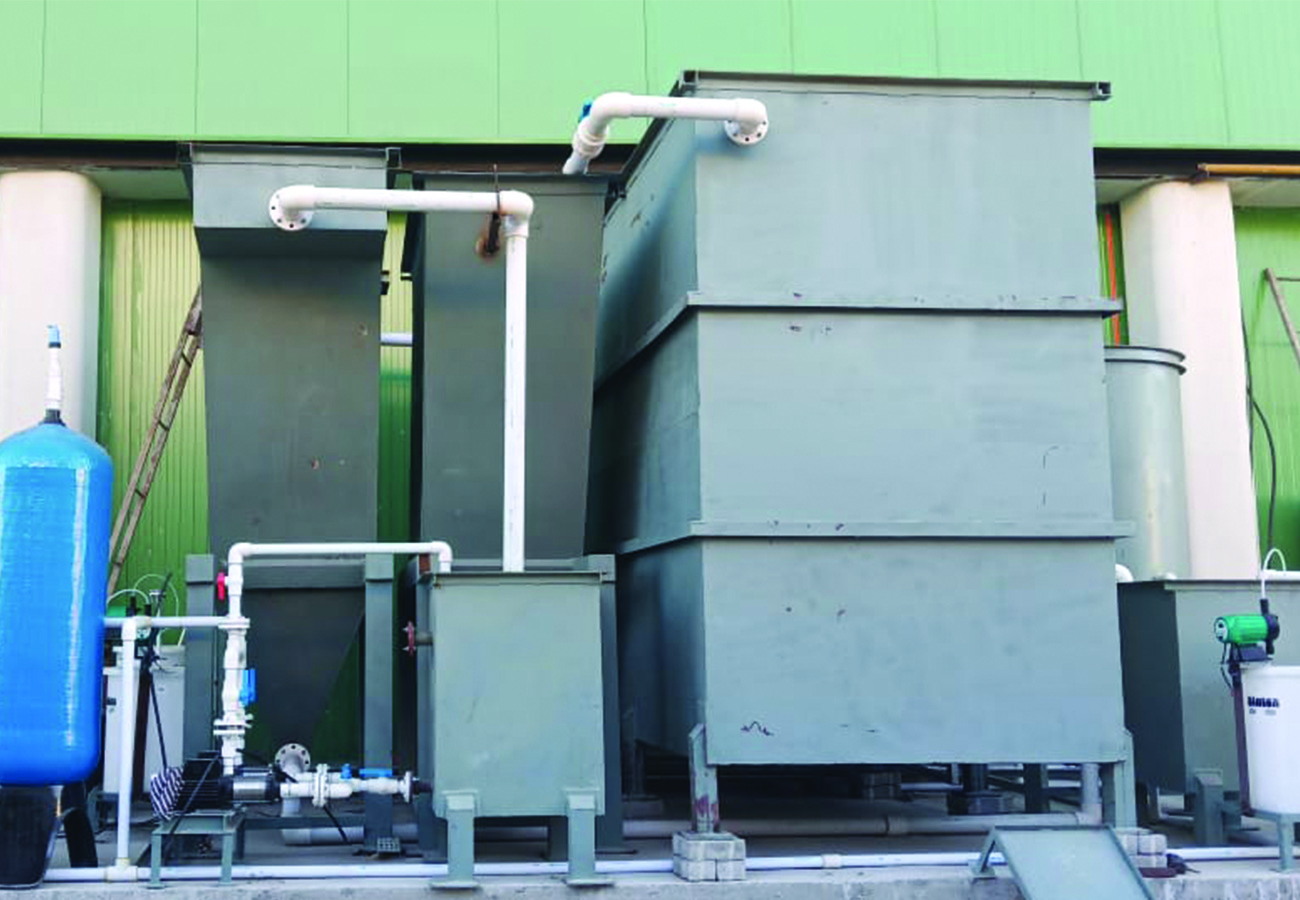
From small scale pre fabricated designs for schools, hotels, hospitals to large scale municipal installations Distington Engineers does it all. Our largest installation is 3 MLD STP while the smallest being a 2.5 KLD STP for a Hotel premises.

Why Choose Distington Engineers for Your Sewage Treatment Plant Requirements?

Sewage Treatment Plant Technologies

The right biological process for an STP depends on the nature and quantity of sewage, the space available at the site, the quality of treated water required and the way the treated water will be used. Distington works with different treatment configurations to suit these project conditions.

Membrane Bioreactor (MBR)

An MBR combines a biological treatment process with membrane separation. The membrane stage helps produce a cleaner treated-water stream and can make this configuration suitable for projects where treated water is intended for reuse or where space is limited.

Activated Sludge Process (ASP)

The Activated Sludge Process uses an aeration tank where microorganisms consume biodegradable organic matter in sewage. Air is supplied to support the biological activity, followed by separation of the biological solids from the treated water. ASP can be used for larger sewage treatment applications where a conventional biological process is appropriate.

Fixed Film Activated Sludge Reactor (FFAR)

FFAR uses microorganisms that grow on a fixed surface within the biological treatment system. This provides additional surface area for biological activity and can be useful when the treatment process needs to accommodate a particular organic load or site condition.

Upflow Anaerobic Sludge Blanket (UASB)

In a UASB reactor, sewage passes upward through a blanket of anaerobic sludge. Microorganisms break down organic matter without the need for conventional aeration. UASB is generally considered where the wastewater characteristics and project conditions make anaerobic treatment practical.

Integrated Fixed-Film Activated Sludge (IFAS)

IFAS adds attached-growth media to a suspended-growth biological treatment process. The media provide additional surface area for microorganisms, allowing biological treatment to be carried out within a relatively compact reactor configuration.

Choosing an STP Technology

STP TechnologyWhere It May Be ConsideredMain Point to Evaluate
MBBRCompact residential and commercial systemsAvailable space and biological load
SBRProjects requiring controlled treatment cyclesOperating cycle and automation
MBRProjects requiring higher-quality treated waterReuse objective and membrane operation
ASPConventional biological treatment applicationsPlant capacity and process design
UASBSuitable anaerobic treatment applicationsSewage characteristics and organic load
IFASProjects requiring additional biological capacityReactor configuration and media requirement

A proper selection starts with the wastewater flow, inlet characteristics and desired outlet quality. Site conditions, power availability, operating requirements, sludge handling and future expansion should also be considered before finalizing the treatment process.

STP Plant Capacity and Applications

A sewage wastewater treatment plant is designed according to the quantity and characteristics of sewage generated at a particular site. The required STP plant capacity depends on factors such as occupancy, water consumption, operating hours and the nature of the facility. Distington Engineers & Consultants provides sewage treatment systems for residential, commercial, institutional and other suitable applications.

Distington has experience with STP installations ranging from a 2.5 KLD hotel project to installations up to 3 MLD, with the treatment configuration selected according to the individual project requirements.

Residential and Housing Projects

Apartment complexes, housing societies and residential developments generate sewage throughout the day. The STP needs to accommodate variations in flow while providing treated water suitable for the intended discharge or reuse application.

Hotels

Hotels generate wastewater from guest rooms, kitchens, laundry and common facilities. Flow patterns can vary with occupancy, making capacity assessment an important part of the design process.

Hospitals

Hospital projects require careful assessment of wastewater generated by different areas of the facility. The treatment system should be planned around the actual wastewater characteristics and applicable treatment requirements.

Schools and Institutions

Educational campuses, hostels and institutional buildings can use compact or packaged STP configurations where the site has limited available space.

Commercial Buildings

Office buildings, commercial complexes and other establishments can install STPs to treat sewage generated on site and reuse suitable treated water for non-potable applications where permitted.

How Does a Sewage Treatment Plant Work?

A sewage treatment plant generally combines multiple treatment stages to reduce solids, organic pollutants and microorganisms from wastewater.

The exact process flow varies according to wastewater characteristics, capacity and treated-water requirements.

1

Preliminary Treatment
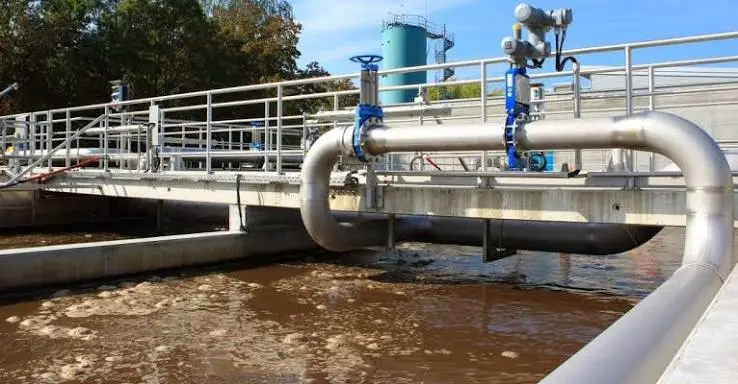
The first stage removes larger materials such as plastics, rags, floating debris and coarse solids.Screens and other preliminary treatment equipment help protect downstream treatment units from blockages and mechanical damage.
Primary Treatment

Primary Treatment

Primary treatment separates settleable solids and other physical contaminants from the incoming sewage.Depending on the system design, screening, grit removal, equalization and primary settling may be incorporated before biological treatment.
Biological Treatment

Biological Treatment

Biological treatment uses microorganisms to break down biodegradable organic matter present in sewage.Aeration and biological reactor systems are commonly used to reduce parameters such as BOD and suspended solids.The selected biological process depends on factors including plant capacity, available space, treatment objectives and operating requirements.
2

Secondary Clarification

Following biological treatment, suspended biological solids are separated from the treated water through clarification or an equivalent separation process.The clarified water then moves to subsequent treatment stages when required.
3

Tertiary Treatment and Disinfection

Additional treatment may be required when higher treated-water quality or water reuse is required.Depending on the project, tertiary treatment may include filtration and disinfection technologies to further reduce suspended particles and microorganisms.The final treatment configuration should be selected according to the applicable discharge or reuse requirements.

Importance of STPs

Preservation of rivers, lakes, and groundwater against pollution.

Prevention of water-borne diseases and health risks.

Facilitating water reuse and lowering the demand of freshwater.

Regulatory compliance of industries and housing projects.

Equipping sustainable urban development.

An effective Sewage Water Treatment Plant is not only an environmental protection but also an economical investment of a long-term kind.

Types of Sewage Treatment Plants

Various applications demand various treatment technologies. Common STP types include:

Gemini Generated Image 5juih5juih5juih5 removebg preview e1769491788346

Activated Sludge Process (ASP)

Appropriate to large municipal and industrial system.

Gemini Generated Image j8qls3j8qls3j8ql removebg preview e1769492133104

Moving Bed Biofilm Reactor (MBBR)

Small and energy-saving.

Gemini Generated Image 4jbwsl4jbwsl4jbw removebg preview e1769492164187

Sequential Batch Reactor (SBR)

Flexibility in operation and a great treatment capacity.

Gemini Generated Image qfrrhhqfrrhhqfrr removebg preview e1769492195561

Membrane Bioreactor (MBR)

New technology for filtration to achieve a higher water quality.

Gemini Generated Image hbecrohbecrohbec removebg preview e1769492221353

Package Sewage Treatment Plants

best suited to residential societies, hotels, and hospitals.

All systems are chosen depending on the load of wastewater, the availability of space, discharge norms and required reuse.

How to Choose the Right Sewage Treatment Plant

Choosing an STP is not simply a matter of selecting a plant with a particular KLD capacity. The system should match the site’s wastewater generation and the quality of water required after treatment.

Calculate the Wastewater Flow

Start with the expected daily sewage generation and consider variations in flow during peak periods.

Understand the Inlet Water

Parameters such as BOD, COD, TSS and pH help engineers understand the wastewater entering the treatment system. Additional testing may be required depending on the source.

Define the End Use

A plant designed only for discharge may have different requirements from one intended to produce water for toilet flushing, gardening, cooling or another non-potable reuse application.

Consider Operation and Maintenance

Power consumption, operator requirements, automation, chemical consumption, sludge handling and routine maintenance can affect the long-term operation of an STP.

Plan for Future Requirements

If wastewater generation is expected to increase, the initial design can take future expansion into account where the site and project economics permit it.

Check Available Space

The size and layout of the site can influence the selection of tanks, equipment and biological treatment technology. Prefabricated or compact systems may be considered where the installation area is restricted.

Sewage Treatment Plant Manufacturer and Supplier

Distington Engineers and Consultants provides STP solutions covering engineering, equipment supply, installation, commissioning and post-installation support.

The company has supplied STP systems for different project requirements, ranging from compact prefabricated systems to larger installations. Its documented project experience includes a 2.5 KLD STP for a hotel and an installation of up to 3 MLD, subject to the specific project scope and configuration.

STP systems can be designed for:

Why Distington Engineers is a Trusted STP Plant Manufacturer

Distington is unique in its technical knowledge and customer orientation:

Gemini Generated Image 6n8hr56n8hr56n8h removebg preview e1769493550148

Residential, commercial, and industrial STP custom solutions.

Gemini Generated Image 44749i44749i4474 removebg preview e1769493376312

Application of modern treatment technologies and materials with corrosion resistance.

Gemini Generated Image 2znte12znte12znt removebg preview e1769493576486

Meeting the CPCB and state pollution control standards.

Gemini Generated Image lduokxlduokxlduo removebg preview e1769493400268

Quick delivery, installation, as well as dependable post-sale services.

Gemini Generated Image 44749i44749i4474 removebg preview e1769493376312

Low operating and maintenance cost systems.

864560e2 81b5 4941 9702 9dd1e5494ca9

Distington Engineers and consultants are the suppliers of Sewage Treatment Plant with a solid presence in Indore and Central India and it is the manufacturer of choice in the case of sustainable wastewater treatment.

The selection of the appropriate STP plant means cleaner water, regulation, and environmental security in the long term. Create a future with water, health and sustainability together with the professionals.

Frequently Asked Questions About Sewage Treatment Plant

A Sewage Treatment Plant (STP) is a system that treats domestic wastewater from homes, offices, hotels, hospitals, and commercial buildings. It removes organic matter, suspended solids, and harmful microorganisms through physical, biological, and chemical treatment processes, producing treated water that can be safely discharged or reused for non-potable applications such as gardening, flushing, and cooling.


A Sewage Treatment Plant (STP) treats domestic wastewater from residential, commercial, and institutional sources, while an Effluent Treatment Plant (ETP) is designed to treat industrial wastewater containing chemicals, oils, and other pollutants. STPs primarily remove organic waste and microorganisms, whereas ETPs handle more complex industrial contaminants before the treated water is discharged or reused.


The best STP technology depends on factors such as wastewater quality, treatment capacity, available space, operating costs, and reuse requirements. Common technologies include MBBR (Moving Bed Biofilm Reactor), SBR (Sequencing Batch Reactor), MBR (Membrane Bioreactor), and ASP (Activated Sludge Process). MBBR and MBR are widely preferred for their high treatment efficiency, compact design, and consistent performance in modern sewage treatment applications.


The two main types of sewage treatment are:

  1. Primary Treatment – This is the first stage, where large solid waste, grit, and floating materials are removed from sewage through screening and sedimentation.
  2. Secondary Treatment – This is the biological treatment stage, where microorganisms break down dissolved and suspended organic matter, making the water much cleaner before it is discharged or further treated.

The cost of a Sewage Treatment Plant (STP) depends on factors such as treatment capacity, technology, wastewater characteristics, automation level, and installation requirements. Small-capacity plants are generally more economical, while larger or customized systems require a higher investment. For an accurate price, it is best to request a customized quotation based on your project requirements.


Yes, treated sewage water can be safely reused for non-potable applications such as landscape irrigation, toilet flushing, cooling towers, industrial processes, and construction activities. When treated to the required quality standards, water reuse helps conserve freshwater resources, reduce operating costs, and support sustainable water management.

Yes, we provide Sewage Treatment Plant (STP) installation services across India. Our team offers end-to-end support, including system design, manufacturing, installation, commissioning, testing, and operator training to ensure reliable performance and compliance with applicable wastewater treatment standards.


Sewage Treatment Plants (STPs) are commonly required in residential townships, commercial buildings, hotels, hospitals, educational institutions, IT parks, shopping malls, airports, and industrial facilities that generate domestic sewage. An STP helps treat wastewater, comply with environmental regulations, and enable safe water discharge or reuse for non-potable applications.


Yes, we provide Annual Maintenance Contracts (AMC) and comprehensive maintenance services for Sewage Treatment Plants (STPs). Our support includes routine inspections, preventive maintenance, troubleshooting, spare parts assistance, and performance optimization to ensure reliable operation, regulatory compliance, and long-term system efficiency.

Yes, treated wastewater can be safely reused for industrial processes, cooling, gardening, and other non-potable applications, helping conserve water and reduce operating costs.

Let's Connect for Your Sewage Treatment Plant

Need a Customized Sewage Treatment Plant for Your Industry?

 Talk to our engineers for tailored STP solutions designed to meet your wastewater treatment requirements, regulatory standards, and production needs anywhere in India.

      +9173878 88545

    Enquiry Form