Water Softener System
- Home
- »
- Turnkey Projects
- »
- Water Softener
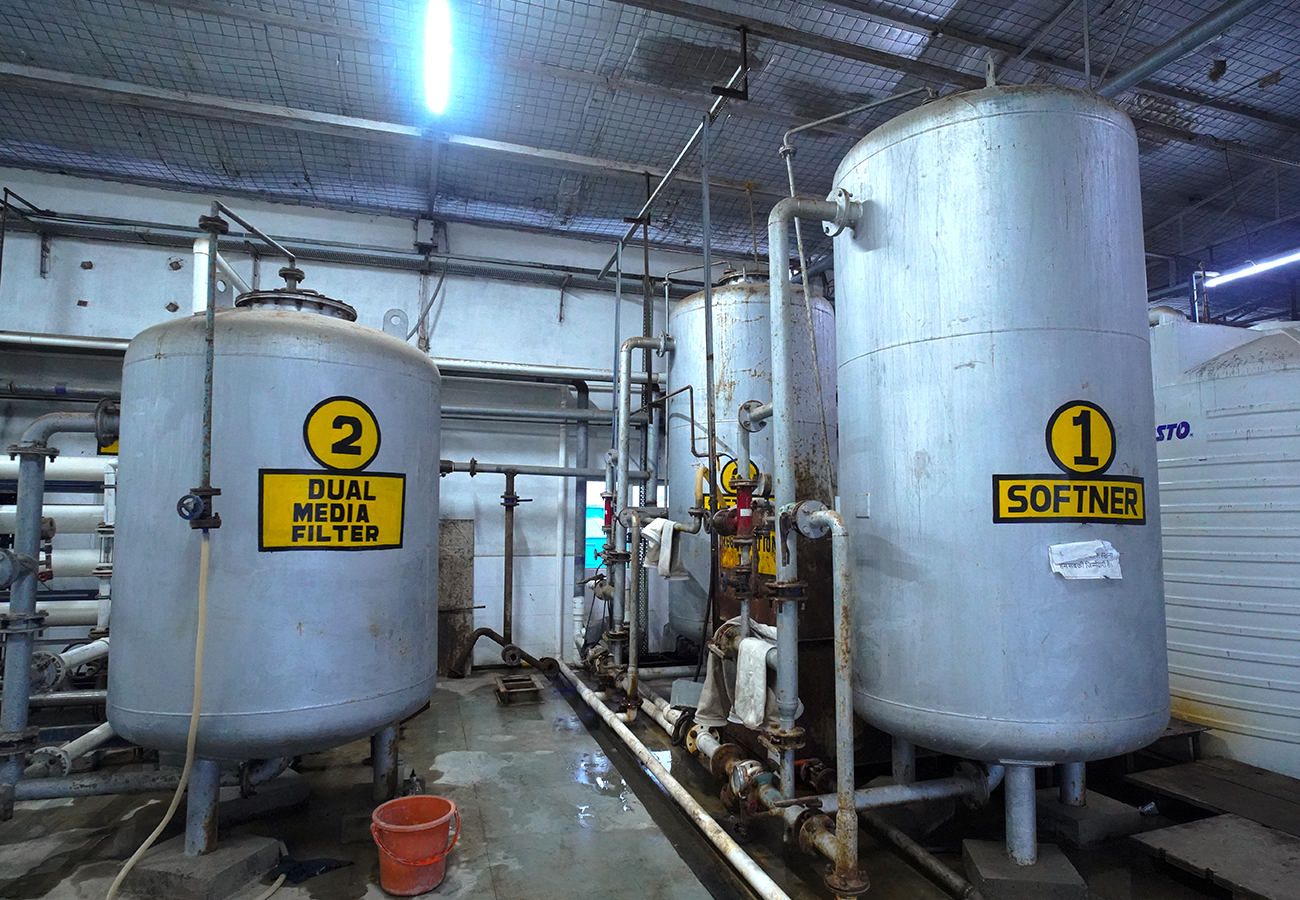
- Maximise OBR (Output Before Regeneration)
- Minimize downtime
- Long run cycles
- Wide range of automation flexibility available
At Distington Engineers we also provide strong post sales services like resin replacement, regeneration salt supplies, ancillary filter media, O&M services and 24×7 maintenance support.
What Is a Water Softener System?
Hard water is an issue that is usually encountered in most of the regions of India and even in Indore. It is rich in calcium and magnesium which are harmful to the plumbing, appliances and industrial equipment and decreases the effectiveness of the soap. A Water Softener System will eliminate these minerals that cause hardness and provide soft water to domestic and industrial use. Being a reputable Water Softener Supplier in Indore, Distington Engineers and Consultants provides hi-tech and trusted water softening systems to ensure extended operations and durability.
An effective water softener will not only make the water quality better but will also increase the life of the Equipment and will also help increase day-to-day comfort.
How Does a Water Softener Work?
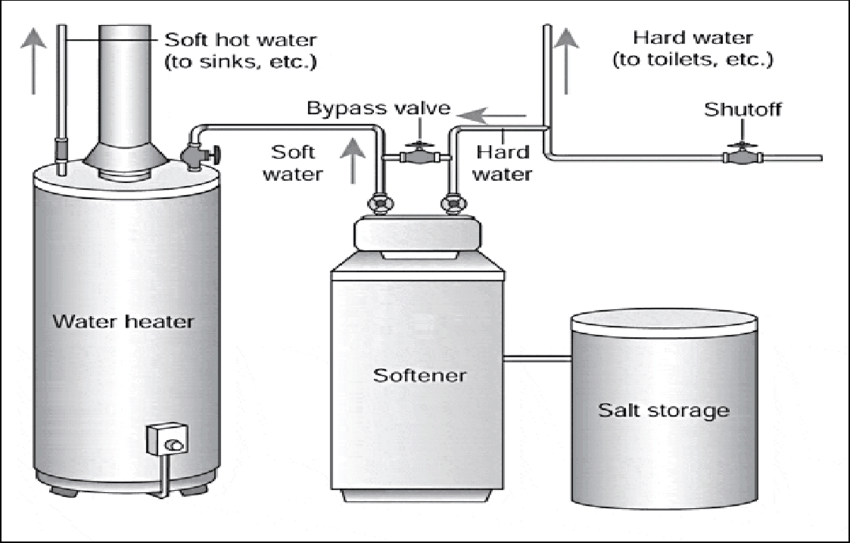
A water softener operates using ion exchange. Hard water flows through the resin bed in the softener unit. The sodium or potassium ions are loaded to the resin beads. The calcium and magnesium ions are replaced by sodium ions as the hard water passes through effectively eliminating hardness in the water.
A regeneration cycle of the system is carried out with the usage of a salt solution once the resin is saturated. This cleanses the entrapment of hardness minerals and refills the resin to continue with the working process. This is because the outcome is a stable supply of soft water with few manual interventions.
Types of Water Softeners
Softeners are needed in different applications. Common types include:
| Type | How It Works | Where It Is Used |
|---|---|---|
| Manual | Operator starts backwash and regeneration by hand | Small, simple requirements |
| Mechanical-valve | Mechanically operated control valve, typically without an electronic controller | Low-maintenance setups where electronics are not preferred |
| Automatic (time-based) | Regeneration starts at a set time | Steady, predictable water use |
| Automatic (demand-based, on-demand) | A flow meter triggers regeneration only after a set volume of soft water, so salt and water are not wasted | Variable water use, where lower salt and water consumption matters |
| Industrial | Large vessels with higher flow capacity and automation options | Factories, boilers and cooling towers |
| Duplex (twin) | Two vessels, one in service while the other regenerates, with automatic changeover | Plants that need continuous, uninterrupted soft water |
Water Softener System Installation
The correct installation of a Water Softener System is important to ensure efficient working. The system is normally fitted at the primary water inlet to ensure that all supply lines would have softened water. Plumbing, brine tank, resin charging and system calibration are all part of the installation.
Distington Engineers & Consultants also offer full installation services such that it is sized accordingly, it will be commissioned, and it will operate well in the long run.
A typical water softener system installation includes:
- Site and water assessment — testing incoming water hardness and flow rate to size the system correctly
- Positioning at the main water inlet — ensuring all downstream supply lines receive softened water
- Plumbing and bypass valve fitting — connecting the softener without disrupting existing water lines
- Brine tank setup and resin charging — preparing the regeneration system
- Calibration and commissioning — setting regeneration frequency and testing output water quality
Distington Engineers provides end-to-end water softener installation across residential, commercial and industrial sites in India, including system sizing, plumbing integration, commissioning and operator handover.
| Requirement | Why It Matters |
|---|---|
| Level, load-bearing base | Vessels are heavy when filled with water and resin |
| Drain point nearby | Needed for backwash and regeneration wastewater |
| Space for the brine tank and salt refilling | Regeneration salt has to be added regularly |
| Electrical point (automatic models) | Powers the control valve |
| Main inlet access with bypass | Lets the plant run on raw water during maintenance |
Best Water Softener System for Home
Compact automatic softeners are the best water softener systems to use in a residential. These units ensure that geysers, washing machines, tapes, and pipes are not scaled as well as enhancing the quality of comfort and laundry in the bath. Soft water stops skin drying, lowers the usage of detergents and makes fittings in the bathroom sparkling and shiny.
How to Choose the Best Water Softener System
The best water softener system is the one sized for your water and your usage. A bigger or costlier unit is not automatically better.
| Factor | Why It Matters |
|---|---|
| Water hardness | Decides resin volume and regeneration frequency |
| Flow rate and daily consumption | Decides vessel size and whether duplex is needed |
| Continuous soft water requirement | Needs a duplex system if supply cannot stop during regeneration |
| Control type | Manual, mechanical or automatic affects operator effort and cost |
| Salt and water use | Demand-based regeneration reduces both |
| Output before regeneration (OBR) | A higher OBR means longer run cycles and less downtime |
| Space and drain availability | Affects layout and installation |
| After-sales support | Resin replacement, salt supply, AMC and spares decide long-term performance |
Top Water Softener System Manufacturer & Supplier in Indore, India
Distington Engineers is a Water Softener Supplier and system integrator of customized softening solutions to domestic and commercial and industrial applications. Their systems are designed to be durable, regenerate efficiently, and under the different operating conditions, produce soft water constantly.
Distington provides the entire service such as design, supply, installation, commissioning and maintenance.
Advantages of Water Softener System
There are a number of long term advantages of using a water softener:
- Deters the formation of scales in the pipes, heaters and appliances.
- Enhances the performance of soap and detergents.
- Prolongs life of plumbing and equipment.
- Improves comfort of the skin and bathing.
- The minimization of maintenance and energy expenses.
- Enhances the performance of boilers and cooling systems.
The benefits of softeners make it something that is necessary in both residential and industrial places.

Applications of Water Softener System
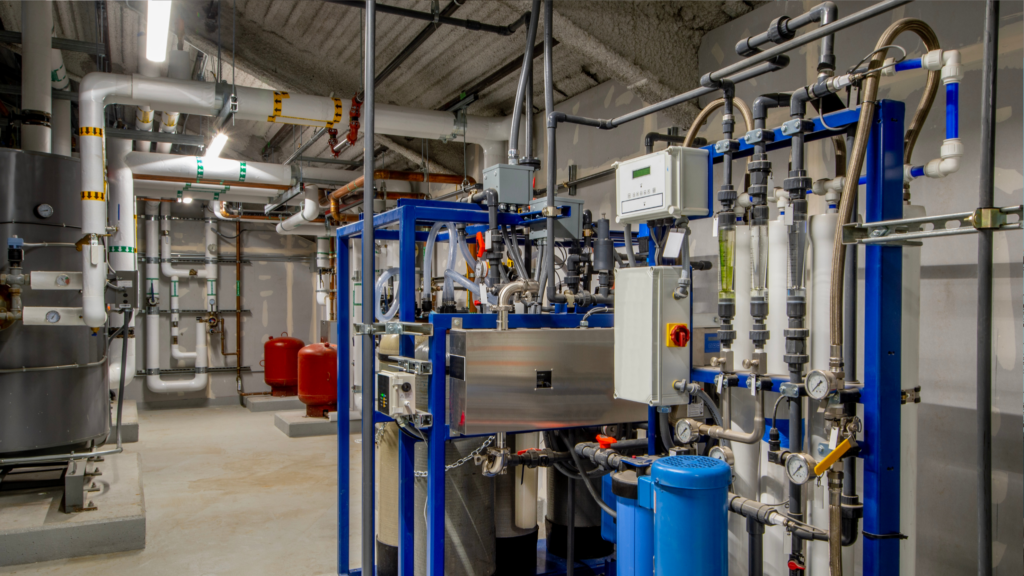
Water softener systems are very common in:
- Villas and residential apartments
- Hotels and hospitals
- Business premises and laundries
- Boilers and cooling towers
- Industries Textile, pharmaceutical and food industries
- RO pre-treatment systems
They are essential in enhancing the water quality and safeguarding the downstream processes.
Why Choose Distington Engineers & Consultants?
Distington Engineers and Consultants is known to have quality and technical expertise:

Tailor-made water softener systems depending on level of hardness and usage.
Corrosion-resistant vessels of high quality and resin.
Efficient regeneration automatic control valves.

Installation and fast commissioning by professionals.
Good after sales service and spare part support.

Low-cost systems that have cheap operating costs.
Being a reliable supplier of the most suitable water softener systems and professional installer of the water softener systems, Distington guarantees sustainability of the performance and quality of water.
Selecting a proper water softener system will save your appliances, will enhance everyday comfort, and will save on the cost of maintenance over a long period. Partner with Distington Engineers and Consultants to provide you with state of the art, dependable and efficient water softening systems that meet your individual requirements.
Frequently Asked Questions About Water Softener
A water softener is a water treatment system designed to remove hardness-causing minerals such as calcium and magnesium from water. It helps prevent scale buildup in pipelines, boilers, cooling towers, and industrial equipment, improving efficiency, reducing maintenance costs, and extending equipment life.
Water softeners are used to eliminate hard water minerals that cause scaling and reduce the performance of industrial equipment. Softened water improves the efficiency of boilers, cooling towers, heat exchangers, and process equipment while reducing energy consumption, maintenance, and operating costs.
A water softener works through an ion exchange process. Hard water passes through a resin bed that exchanges calcium and magnesium ions with sodium or potassium ions. As a result, the water becomes soft and free from scale-forming minerals, making it suitable for industrial and commercial applications.
A water softening system is a water treatment setup that removes hardness-causing minerals — calcium and magnesium — through ion exchange, producing soft water for domestic, commercial or industrial use. It typically includes a resin tank, brine tank and control valve for automatic regeneration.
A water softener requires periodic resin regeneration using salt, regular maintenance, and proper disposal of regeneration wastewater. However, with correct operation and maintenance, it provides long-term benefits by preventing scale formation, improving equipment performance, and reducing maintenance costs.
Choose a supplier that tests your water, sizes the system for your usage and provides installation and after-sales support. Distington Engineers supplies, installs and services water softener systems in Indore and across India.
Installation covers water and flow assessment, positioning at the main inlet, plumbing with a bypass valve, brine tank setup, resin charging, calibration and commissioning. A level base, a drain point and power for automatic models are needed.
OBR is Output Before Regeneration, the volume of soft water a softener produces between two regenerations. A higher OBR means longer run cycles and less downtime.
Modern water softeners are designed to minimize water usage during the regeneration process. High-efficiency systems consume significantly less water and salt than older models, making them suitable for industries looking to improve water efficiency and reduce operating costs.
Water softeners are widely used in pharmaceutical, food and beverage, textile, chemical, power generation, hospitality, healthcare, and manufacturing industries. They help protect equipment from scaling and improve the efficiency of industrial water systems.
A water softener reduces scale buildup, improves heat transfer efficiency, extends equipment life, lowers maintenance costs, reduces energy consumption, and enhances the performance of boilers, cooling towers, and industrial processing systems.
A water softener removes hardness minerals such as calcium and magnesium, while a Reverse Osmosis (RO) system removes dissolved salts, contaminants, bacteria, and other impurities. Water softeners are primarily used to prevent scaling, whereas RO systems provide high-purity water for industrial and commercial applications.
Water softeners are used in boilers, cooling towers, heat exchangers, laundries, hotels, hospitals, manufacturing plants, commercial buildings, and industrial process water systems where hard water can reduce efficiency and damage equipment.
The best system is the one sized for your hardness, flow rate and usage. Industrial users often prefer automatic demand-based or duplex systems for continuous soft water and lower salt use.
An on-demand (demand-based) softener regenerates only after a set volume of water has been treated, based on a flow meter. It saves salt and water compared with a fixed timer.
Let's Connect for Your Water Softener Requirements
Need a Customized Water Softener for Your Industry?
Talk to our engineers for tailored water softener solutions designed to meet your water quality requirements, regulatory standards, and production needs anywhere in India